






Article: Half Marathon Fuel Guide: How to Carb Load and Fuel Race Day
Half Marathon Fuel Guide: How to Carb Load and Fuel Race Day
You've signed up for a half marathon and you're wondering how to fuel it properly. Whether race day is a month away or next weekend, here's what actually matters.
Rehearse fuelling before you rely on it
Carbohydrate is easy to digest, but your gut still needs practice handling it while you're working hard. Get into the habit of fuelling your long training runs, and book in at least two full race-day rehearsals beforehand — same gel, same timing, same pace you're planning to race. That's what takes the guesswork out of race morning.
Do you need to carb load for a half marathon?
Yes, though not with the same intensity a full marathon demands.
A carb load is a short 2–3 day window before the race where you deliberately increase carbohydrate intake to fill your glycogen stores. Glycogen is your body's go-to fuel during endurance efforts, and once it runs low your body has to reach for slower backup systems — a shift most runners recognise as "the wall."
Picture glycogen as the cash in your pocket and fat as money sitting in savings. Cash is quick to spend and covers most of what you need day to day; savings are there but take longer to access. Over a half marathon, most runners can get through the whole race on cash alone — so the goal is simply making sure your pockets are full before you start.
How much glycogen do you actually need?
The body stores roughly 480–600g of carbohydrate across the liver and muscles — around 2,000–2,400 calories worth. For most runners, that's comfortably more than a half marathon burns through, provided it's fully topped up beforehand.
You might wonder: if I won't burn through all of it anyway, do I really need to fill the tank completely? Yes. There's no downside to starting full, and a partially stocked pantry is the one variable you can remove entirely with a couple of days' planning.
How to carb load for a half marathon
Steer clear of heavy, greasy, or unfamiliar food in the days beforehand. Pizza and pastry are the classic carb-load mistakes — high in fat, slow to digest, and prone to leaving you sluggish or searching for a bathroom on race morning.
The day before: don't reinvent your routine, just dial in what you've already practised. The common trap here is a big, heavy dinner that disrupts sleep and leaves you feeling stuffed at the start line. A bigger lunch and a lighter dinner works better for most people.
Race morning fuelling
This is your final top-up. Aim for 1–2g of carbohydrate per kg of bodyweight, eaten 2–3 hours before the start. Keep fat, fibre, and protein low so your stomach isn't working overtime on race morning. White bread or a bagel with honey, or oats with banana, both do the job well.
How to fuel a half marathon on race day
If your glycogen stores are already full, why fuel during the race at all? Because a half marathon isn't run on stored glycogen alone — it's run on stable blood sugar too, and that starts to waver well before your stores are actually empty. Keeping a steady stream of carbohydrate coming in during the race keeps pace, focus, and mood on an even keel from start to finish.
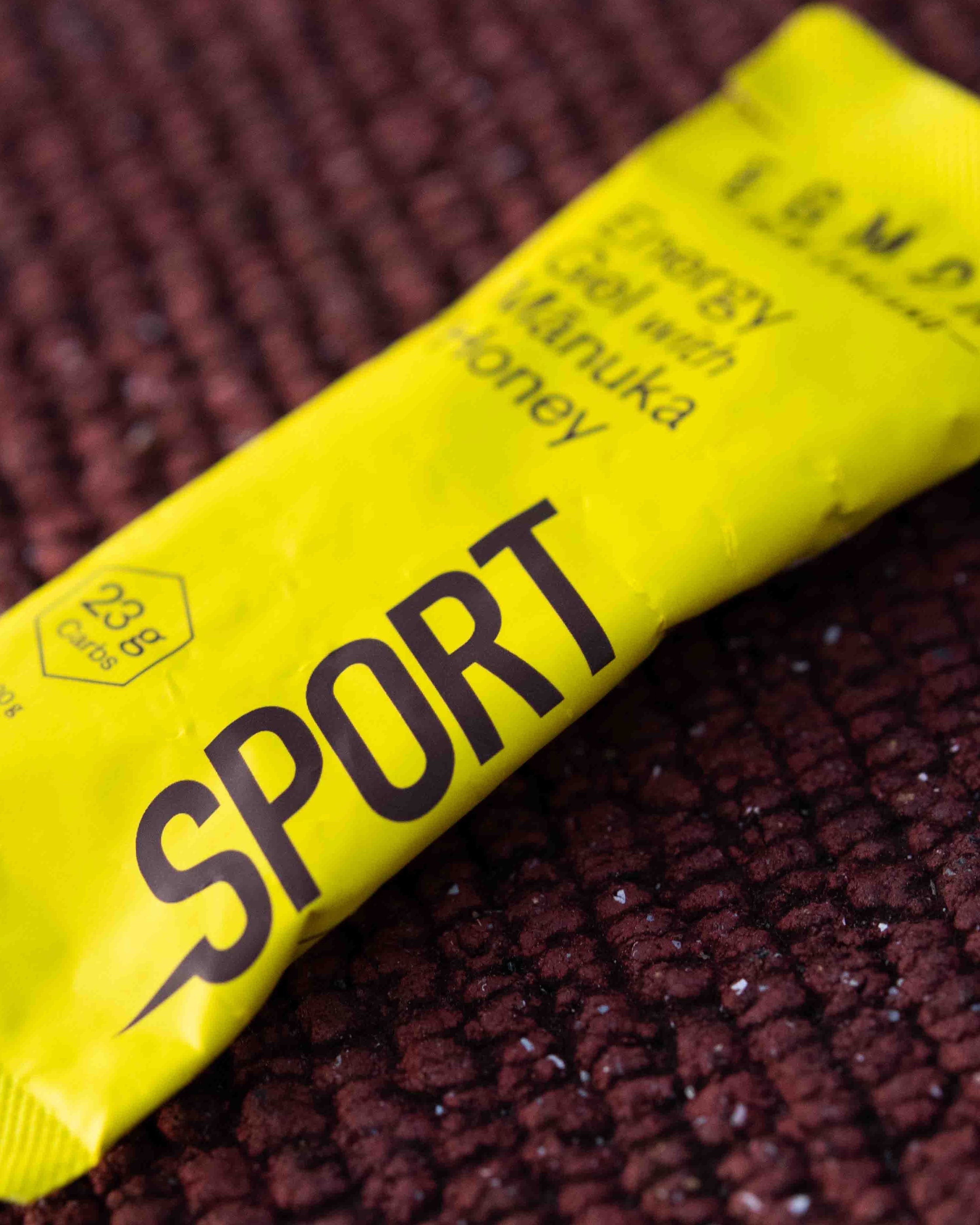
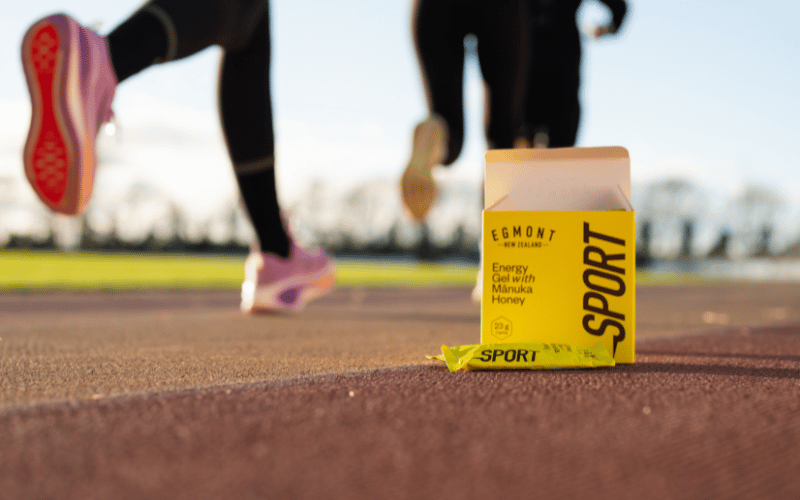
Stick to whatever you've rehearsed in training. Aim for 50–90g of carbohydrate an hour, depending on pace and gut tolerance. Each Egmont Sport Gel carries 23g of carbohydrate, which works out to:
1 gel every 15 minutes ≈ 90g/hour — top end, fastest efforts
1 gel every 20 minutes ≈ 75g/hour — a common middle ground
1 gel every 28 minutes ≈ 50g/hour — lower end, easier pacing
Half Marathon Fuel Guide: The Wrap-up
Fuelling in training = your race-day rehearsal
Pre-race carb load = your biggest single performance lever
In-race carbs (50-90g/hr) = pace and focus insurance across 21.1km.

Leave a comment
This site is protected by hCaptcha and the hCaptcha Privacy Policy and Terms of Service apply.