




Article: The Science of Sodium: Why Electrolytes Matter as Much as Carbs
The Science of Sodium: Why Electrolytes Matter as Much as Carbs
You've dialled in your fuelling. Carbs before the session, carbs during, maybe even a gel in your back pocket for the long stuff. But you're still cramping late into a run, or feeling flat when you shouldn't be. If that sounds familiar, sodium might be the piece you're missing.
What sodium actually does
Sodium isn't just a seasoning - it's one of the main electrolytes your body uses to manage fluid balance, nerve signals, and muscle contractions. When you sweat, you're not just losing water, you're losing sodium along with it. Lose enough of it, and your muscles and nerves stop firing the way they should, which is a big part of why cramping shows up late in a session.
Why carbs alone don't solve hydration
Here's the part that trips a lot of people up: drinking plain water when you're low on sodium doesn't fix the problem, it can actually make it worse. Sodium is what helps your body hold onto the fluid you're taking in. Without it, water passes through faster than your body can use it, so you can be drinking plenty and still end up under-hydrated.
Carbohydrates give you the energy to keep moving. Sodium is what helps your body actually use the fluids you're taking in alongside that energy. You need both working together, not one covering for the other.
Signs you might be running low on sodium
Cramping that shows up in the second half of a session, not the first
Feeling flat or heavy-legged despite fuelling properly
A "sloshing" feeling in your stomach even though you've been drinking
Headaches or dizziness on longer efforts
None of these are exclusively about sodium, but if they're showing up consistently on longer sessions, it's worth looking at.
How much do you actually need?
Sweat isn't one-size-fits-all. Some athletes are heavy sodium sweaters, others lose comparatively little, and how much you need also scales with session length, heat, and effort. As a general guide, most athletes doing sessions over 60–90 minutes benefit from actively replacing sodium, not just water, especially in hot conditions or during high-intensity efforts. If you're unsure where you sit, a sports dietitian can help you figure out your personal sweat rate and sodium needs more precisely.
Where this fits into your fuelling
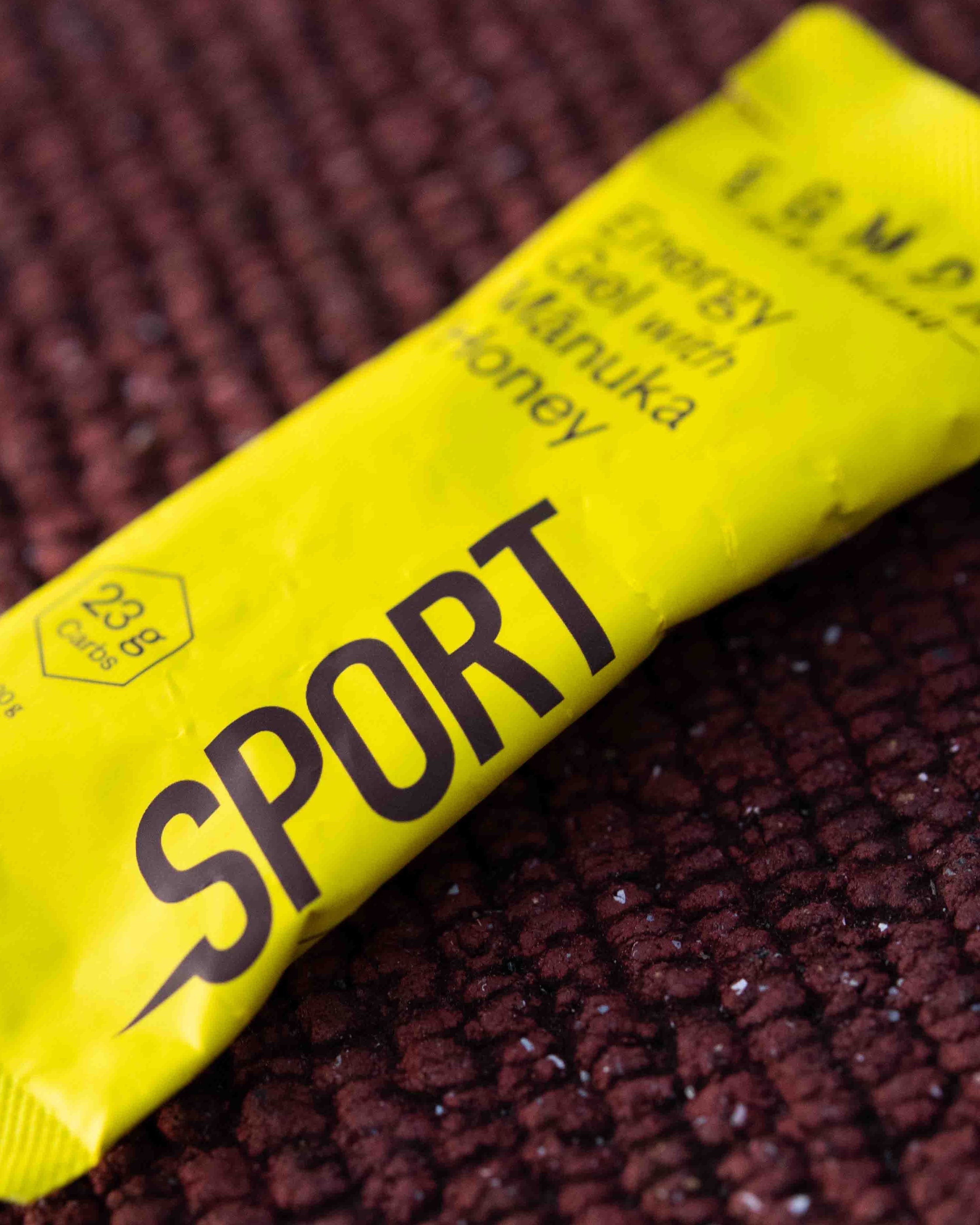
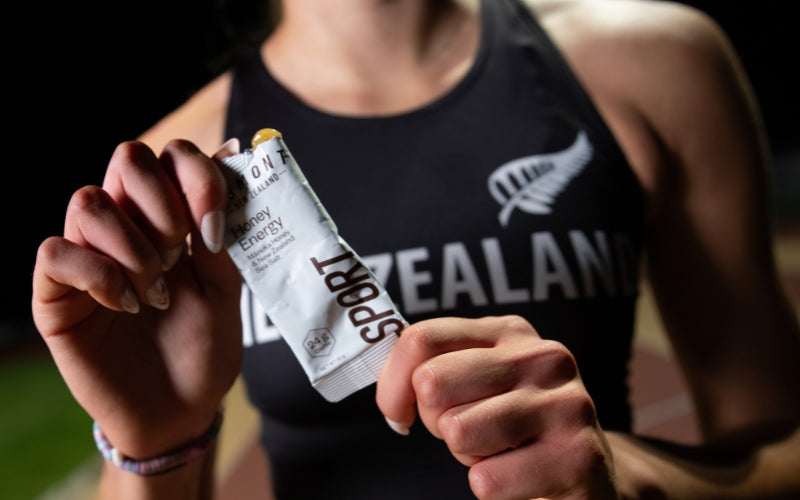
This is exactly why we built Honey Energy around more than just carbohydrates. Each serve delivers 24g of carbohydrates alongside 186mg of sodium, made from just two ingredients: Mānuka honey and NZ sea salt. It's designed to cover both sides of the equation at once, energy and hydration, without needing a separate electrolyte product on top.
Next time you're heading into a longer session, it's worth thinking about sodium the same way you already think about carbs: not an afterthought, but part of the plan.


Leave a comment
This site is protected by hCaptcha and the hCaptcha Privacy Policy and Terms of Service apply.