




What is a Sports Gel? A Beginner's Guide for Runners
You've seen other runners tear open a little sachet mid-run, or spotted a shelf of them at the running store, and wondered what they're actually for. Are they only for marathoners? Do they taste awful? Do you even need one? Here's the plain-English version — what a sports gel actually is, why runners use them, and how to try your first one without overthinking it.
What IS a sports gel?
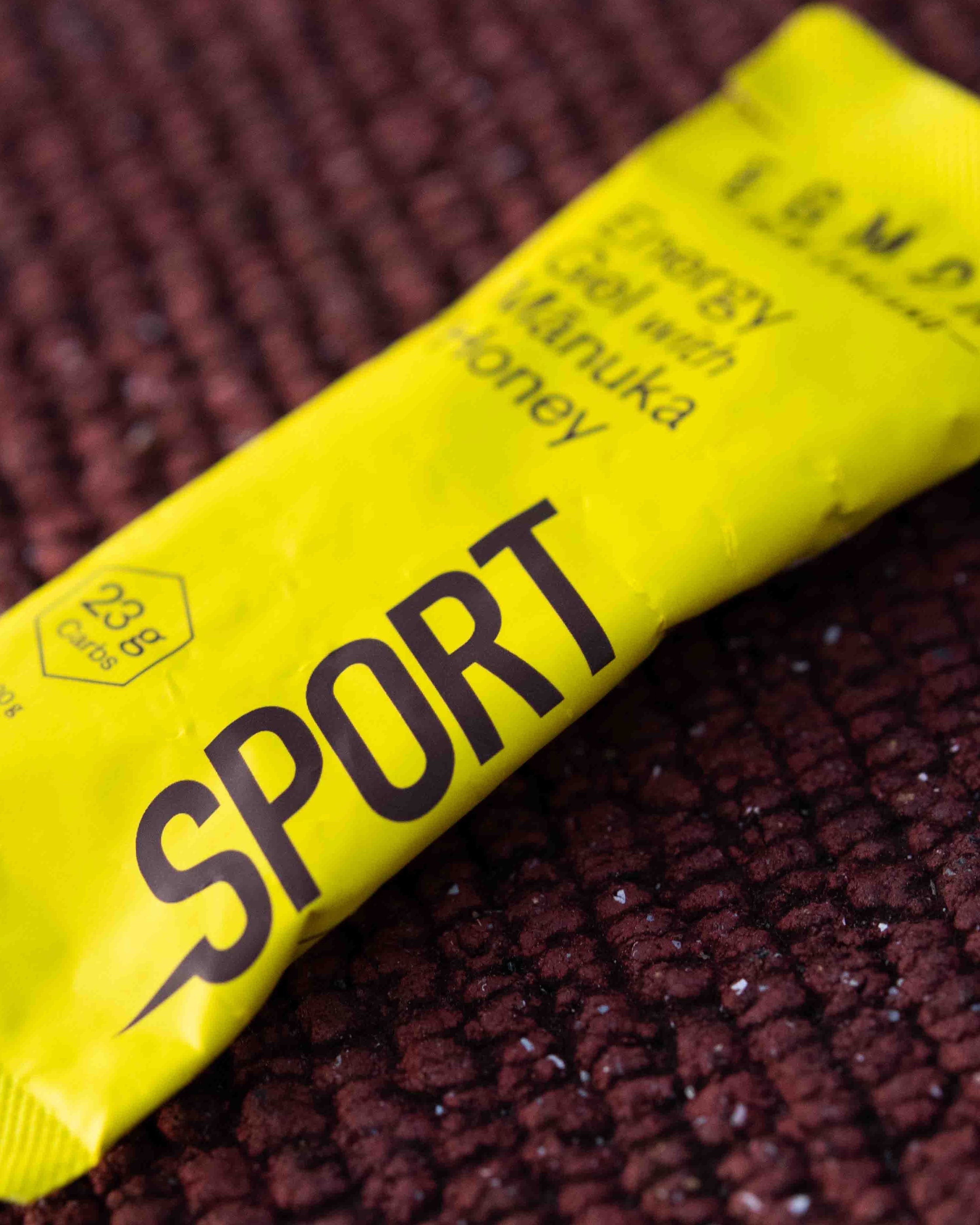
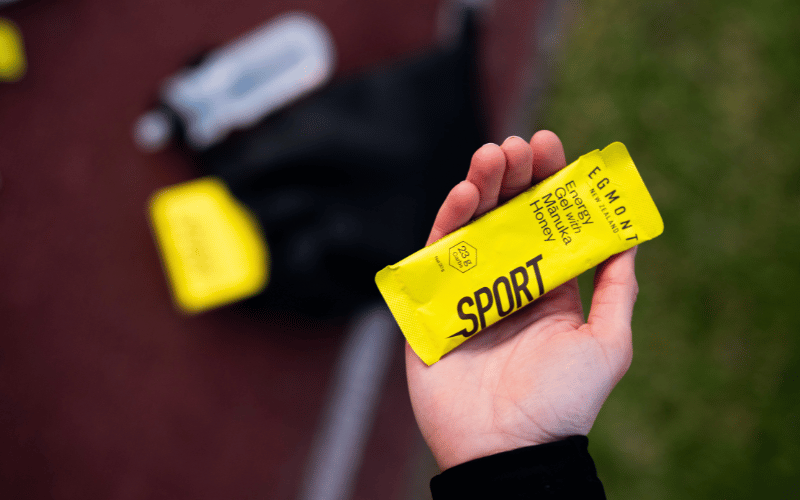
A sports gel is a small, concentrated dose of carbohydrate designed to be eaten quickly, mid-exercise, without breaking your stride. Egmont Sport Gel, for example, is built from real honey and maltodextrin — two carbohydrate sources that digest at different speeds, so you get a quick lift and a steadier follow-through rather than a single sugar spike.
Think of it as a purpose-built snack. Not a supplement, not a magic potion — just carbohydrate in a form you can carry in a pocket and take without stopping.
Why do runners fuel mid-run?
Your body runs on stored carbohydrate, called glycogen, during exercise. It's a limited supply — enough for most people to comfortably cover an easy 45–60 minutes, sometimes longer. Push past that window without topping up, and energy starts to dip: legs feel heavier, pace feels harder to hold, focus drifts.
A sports gel is simply a way of topping that supply back up while you're still moving, instead of waiting until you're running on empty.
Do you actually need one?
If you're doing a comfortable 20–30 minute jog, you probably don't need to fuel mid-run at all. Gels earn their place once a session runs past about 45 minutes to an hour, or once the effort gets genuinely hard, regardless of distance.
A common misconception is that gels are only for marathon runners. In reality, anyone doing a longer weekend run, a tough interval session, or their first half marathon build-up can benefit from understanding how they work — even if you only end up using one occasionally.
How do you use it?
It's simpler than it looks. Tear the top, squeeze the gel into your mouth and swallow. That's the whole process.
The one thing worth getting right as a beginner: take it before you feel like you need it. Once you're already flat, a gel takes a little while to kick in — so the habit experienced runners build is fuelling early and often, rather than waiting for the warning signs.
What does it taste like?
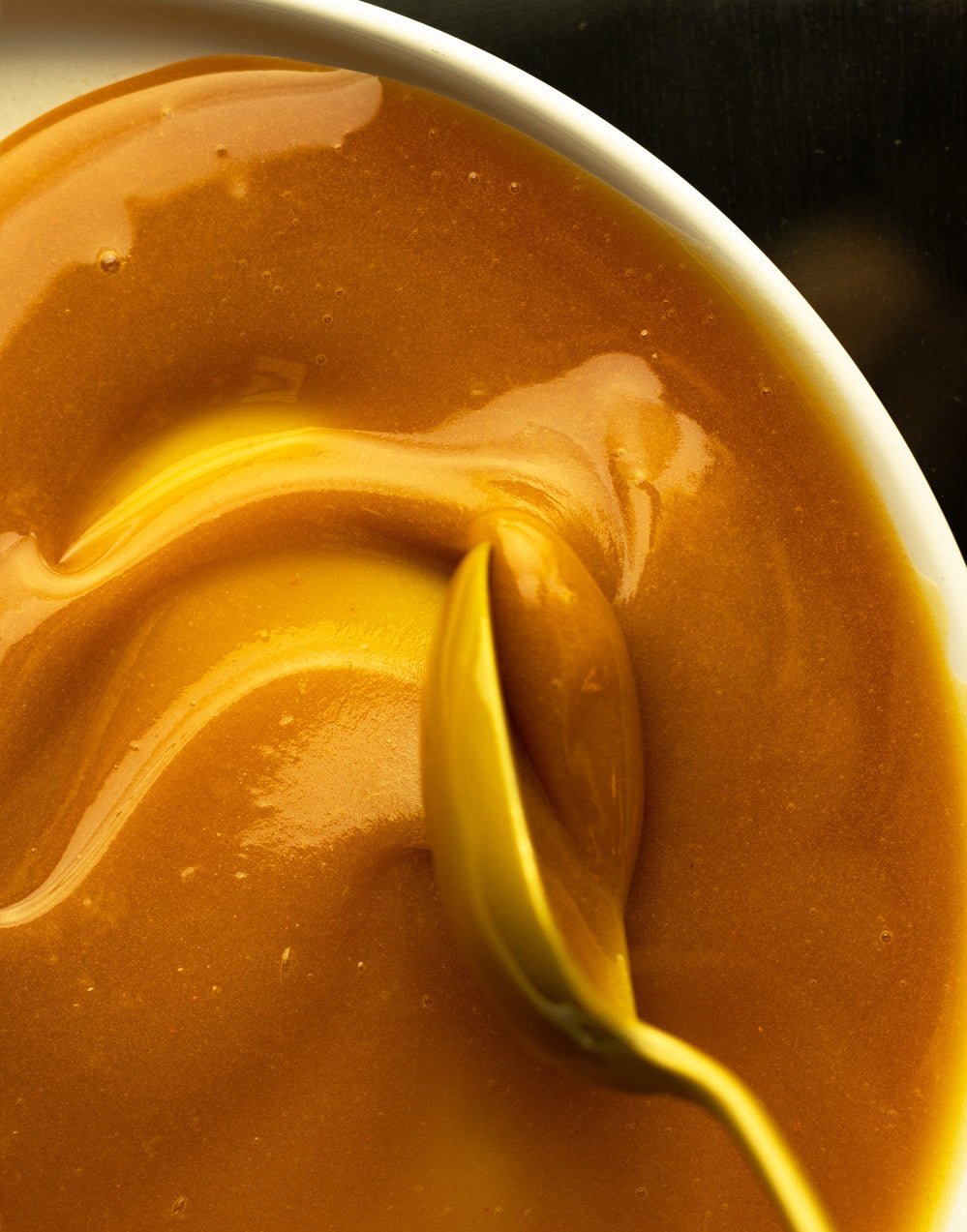
This stops a lot of beginners before they even start. Many gels on the market are sickly-sweet and syrupy, which puts people off trying a second one. Our gel is honey-based rather than built purely on refined syrups, so it reads more like a spoonful of honey than a lab-made sugar hit — worth knowing if a bad first experience with another brand put you off the whole idea.
Common mistakes first-timers make
Trying a gel for the first time on race day. Always test it in training first — on your gut, at your pace, in your running kit.
Waiting until you're exhausted to take one. Fuel ahead of the dip, not in response to it.
Assuming one bad gel means all gels are bad. Flavour, texture, and ingredients vary a lot between brands — one rough experience isn't the full picture.
How to try your first sports gel
Pick a training run of 45 minutes or longer — nothing high-stakes. Take the gel roughly halfway through, with a small sip of water if you can. Notice how your stomach handles it and whether your energy feels steadier in the second half. That's it. No need to overthink the first one; the goal is just finding out how your body responds, well before it matters on race day.
Once you know a gel works for you, the next step is figuring out how often to use one across a full training week — which is exactly what our weekly fuelling guide covers.
This guide reflects general endurance nutrition practice and is not medical advice. If you have a medical condition affecting blood sugar or digestion, check in with a doctor or dietitian before introducing sports gels into your routine.



Leave a comment
This site is protected by hCaptcha and the hCaptcha Privacy Policy and Terms of Service apply.